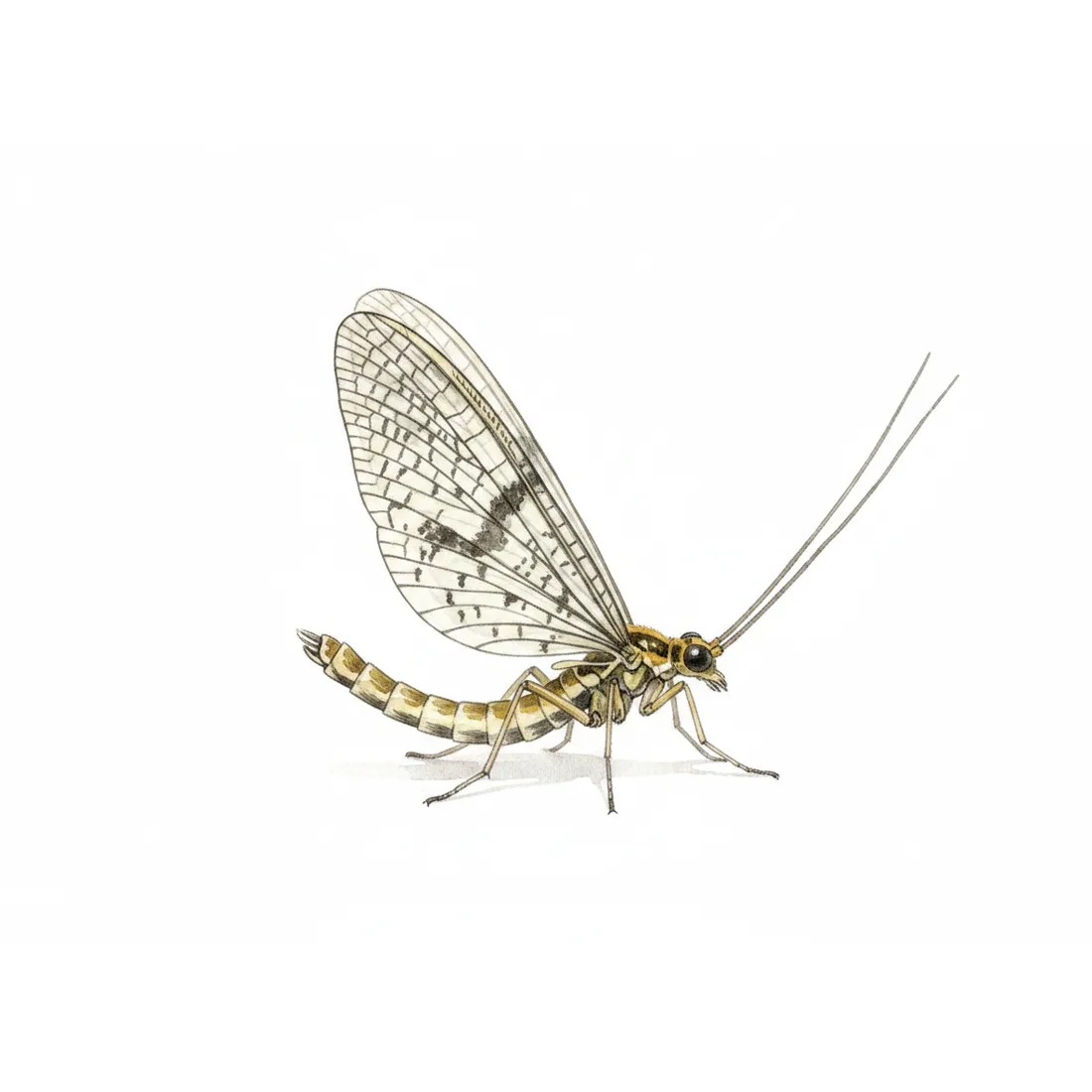
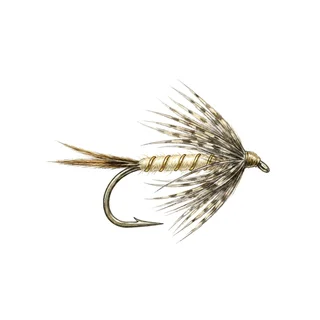
 Illustration· After a photo by Hectonichus (CC BY SA 3.0 / GFDL 1.2+)
Upwinged flies — olives, mayfly & caenis
What it is
Upwinged flies (Ephemeroptera) — olives, the mayfly or green drake, and caenis — are the classic four-stage insect: egg, nymph, dun and spinner. Trout key onto whichever stage is available at the moment: the nymph underwater, the emerging dun in the film, or the spent spinner lying on the surface. A fly angler doesn't need to be an entomologist, but knowing which stage is happening is the difference between a generic nymph and a genuine tactical decision on size, depth and presentation.
Life cycle
Egg
Laid by mated spinner females on or into the water; hatches into the nymph.
Nymph
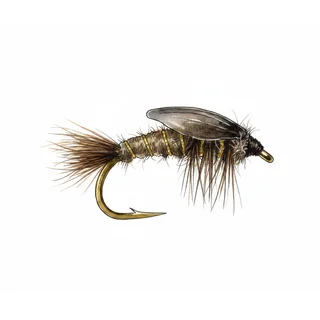
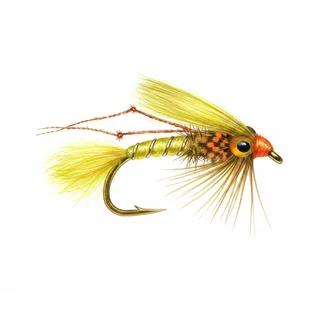
Underwater stage lasting from a matter of weeks (caenis) up to one to two years for the largest species. Ephemera danica nymphs burrow into sand or gravel and grow up to 30mm before rising to hatch.
Dun (subimago)
The newly hatched, dull-winged sub-adult that flies to bankside cover and moults a final time before mating.
Spinner (imago)
The mature, mated adult that lays eggs and then falls spent on the water, often within hours of the dun moult. The mayfly's spent-spinner fall is known to anglers as the "spent gnat".
In Ireland
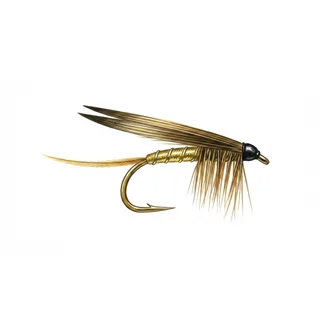
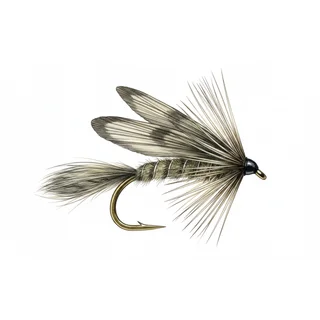
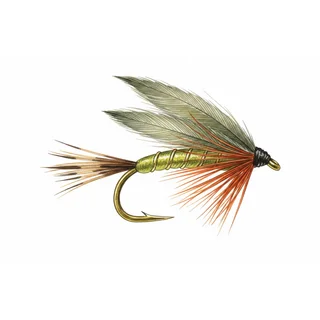
The mayfly (Ephemera danica) hatch is the single biggest seasonal event on the Irish limestone loughs — Corrib, Mask, Sheelin, Conn and Lene all carry strong hatches concentrated from mid-May to early June, and it drives more dedicated fly patterns in the catalogue than any other natural.
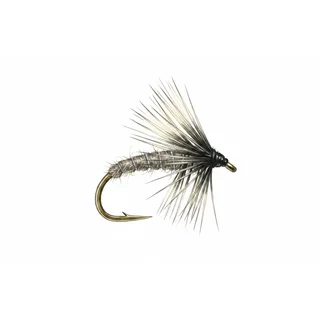
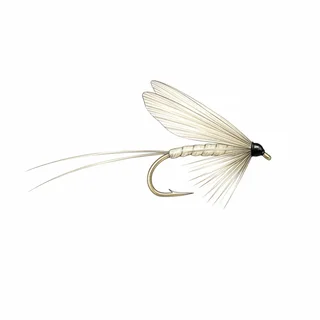
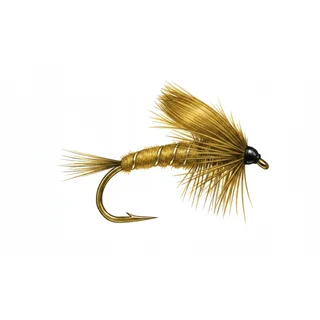
Olives (mainly Baetis species — small dark olive, pale watery, and the larger lake olives) hatch through spring and again into early autumn, often best on dull, overcast days. Caenis ("the angler's curse") bring dense hatches on calm summer mornings and dusks, with a life cycle from dun to spinner to spent in under an hour and hook sizes down to 20–24, needing fine tippet.
Flies that imitate this
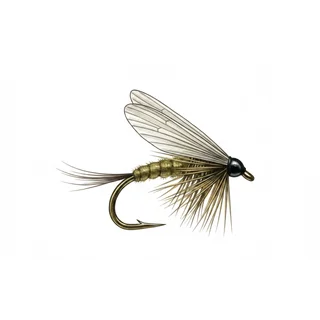
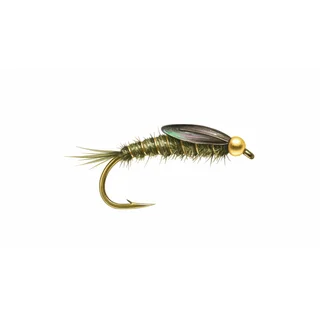
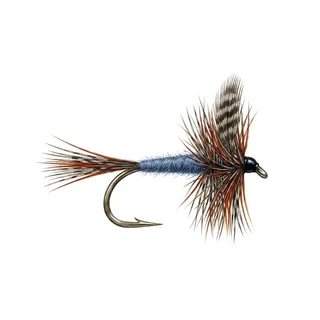
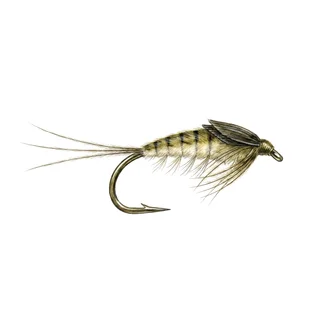
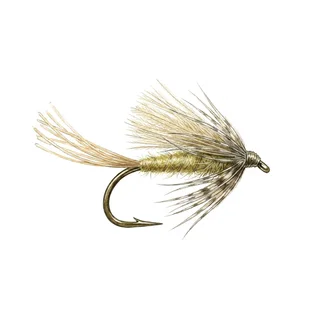
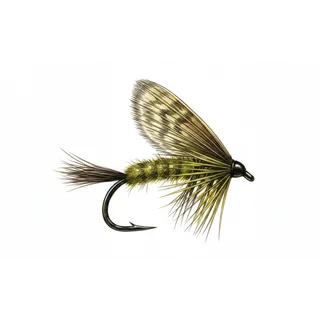
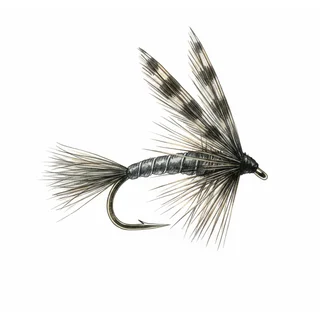
Where it matters
Sources & how we know this (4)
- Ephemera danica two-stage life cycle, hatch mid-May–early June UK/Ireland
Wikipedia, Ephemera danica · 2026-07-09 - Ephemera danica ID, nymph burrowing behaviour
first-nature.com, Ephemera danica · 2026-07-09 - Baetis (olive) life cycle, spring/autumn hatch pattern
Discount Flies, Baetis or Blue-winged Olive Mayflies · 2026-07-09 - Caenis hook sizes, hour-long life cycle, "angler's curse"
first-nature.com, Caenis species · 2026-07-09
Reference compiled from cited sources — Alex's review pass to come.