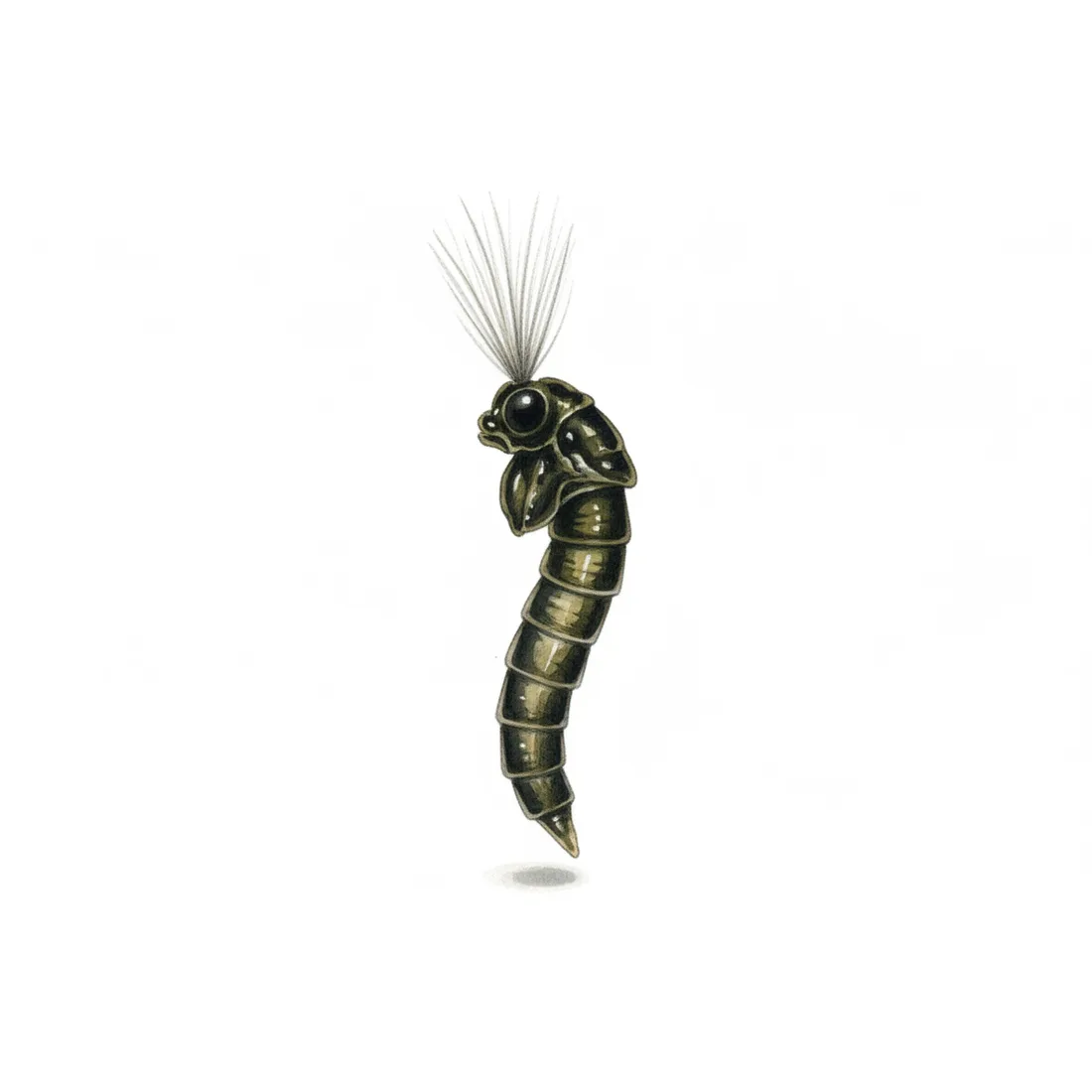
 Illustration· After a photo by B. Schoenmakers (CC BY 3.0)
Midges, buzzers & duckfly
What it is
Non-biting midges (Chironomidae) are, by volume, the most important stillwater trout food there is — put at up to 70% of a stillwater trout's annual diet. The cycle runs egg, larva ("bloodworm"), pupa ("buzzer") and winged adult.
Life cycle
Egg
Laid on the water surface by the winged adult.
Larva (bloodworm)
Red from haemoglobin, living in bottom sediment, up to 25mm.
Pupa (buzzer)
A 10–14 day buoyant rise to the surface.
Adult
Winged; "buzzer" is the angler's name for the adult's audible wingbeat.
In Ireland
Duckfly is the Irish angling name for the large black chironomid (chiefly Chironomus species) that opens the lough season. The hatch builds from mid-to-late March and runs into April/May, and it is genuinely the first serious fly-fishing event of the year on the big limestone loughs — Corrib, Mask and Sheelin.
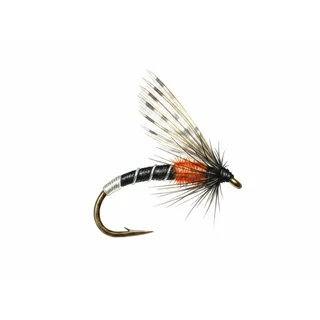
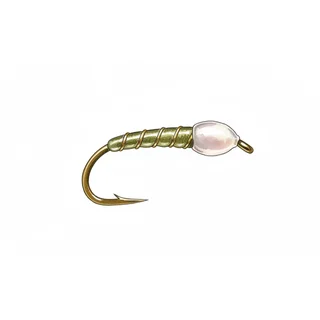
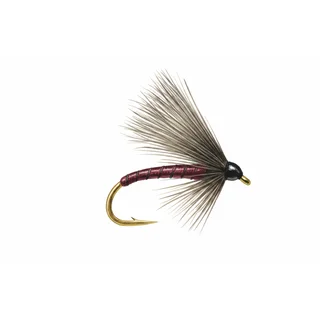
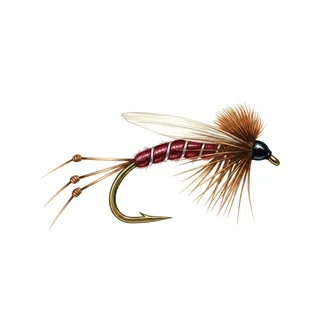
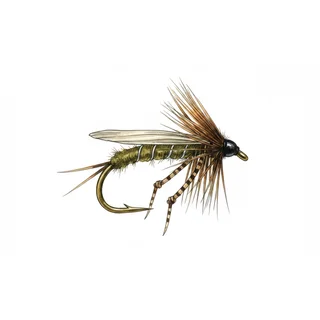
Two of the catalogue's named "Hopper" wet flies — Claret Hopper and Olive Hopper — belong here rather than with the terrestrials: in traditional Irish/UK stillwater tying, "Hopper" denotes a hackled buzzer-suggestive wet fly (the Bibio Hopper/Blagdon Hopper family), not a grasshopper imitation.
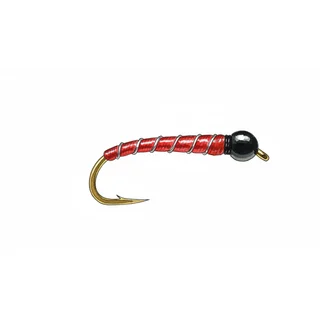
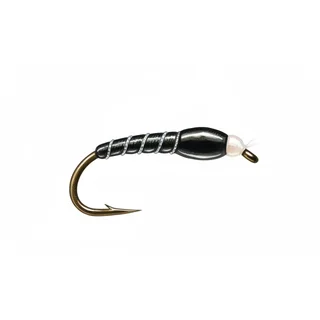
Flies that imitate this
Where it matters
Sources & how we know this (3)
- Chironomid four-stage life cycle, bloodworm/pupa description
Anchored Outdoors, Chironomid Life Cycle in Trout Diets · 2026-07-09 - Chironomids up to 70% of stillwater trout annual diet
Go Fish BC, Chironomids: Fly-Fishing Tactics · 2026-07-09 - Duckfly Irish hatch window (mid-late March onward, Corrib/Mask/Sheelin)
Fulling Mill, Fishing the Duckfly on the Corrib · 2026-07-09
Reference compiled from cited sources — Alex's review pass to come.