Mayfly wets in the wave
An example May afternoon: mayflies hatching, a moderate wave and trout rising around a drifting boat.
Illustrative in-season conditions. This isn’t advice for today or for your selected water.
The fly team
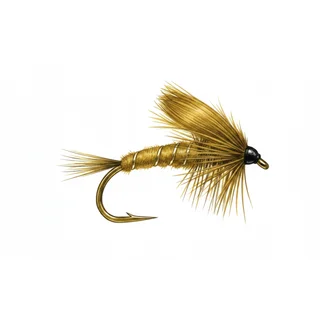
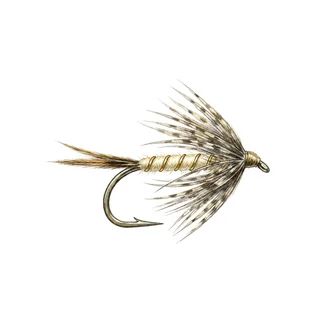

Fly illustrations · tap a fly to explore it
Fishing depth
0.1–0.6 m
Count down
No countdown
Long slow draw, then stop — takes often come on the drop.
Finish into the hang — hold a few seconds before lift-off; takes come here.
Chopping the pause short turns a hunting retrieve into a strip.
Medium · draw · pause · draw
Slow pulls · Medium
The setup
- Line
- Floating
- Leader
- 5.5 m · copolymer
- Breaking strain
- 3.2–4.5 kg
Inner ring = beadhead · halo = buoyant · X-rating derived from breaking strain, approx.
How to fish it
Pull length: 50 cm.
Top of the water — a count of 3 at most if fish are taking the nymph rather than the dun.
Two long draws as the team lands, then work it round with the wave; hold the bumble in the surface for the last three metres before the hang.
Mayfly time brings up the best fish in the lough — do not go under 3 kg.
Where to put it
Set the drift across the marl shallows and along island shores where the duns are popping — 2–4 m of water is the money. Cast ahead of the drift and fan the 10-to-2 arc; straight on by default, re-aim only at a moving fish. Drogue on to keep the drift at fishing pace.
Why this plan
The mayfly hatch of May–June is the one time the lough's biggest browns feed hard on top in daylight. In a good wave trout take a dragged wet as confidently as a dry, and a drifting boat covers ten times the water. Duns hatch over marl and sandy shallows, so the drift line matters more than the pattern.
What to change
- Follows, no takes: Refusing the wets — swap the middle fly for a mayfly nymph and slow everything down.
- 30 min without a response: Move the drift, not the flies: fresh water beats fly changes in mayfly time.
- Light change: Evening flat calm and spinners in the air — switch to the spent gnat.