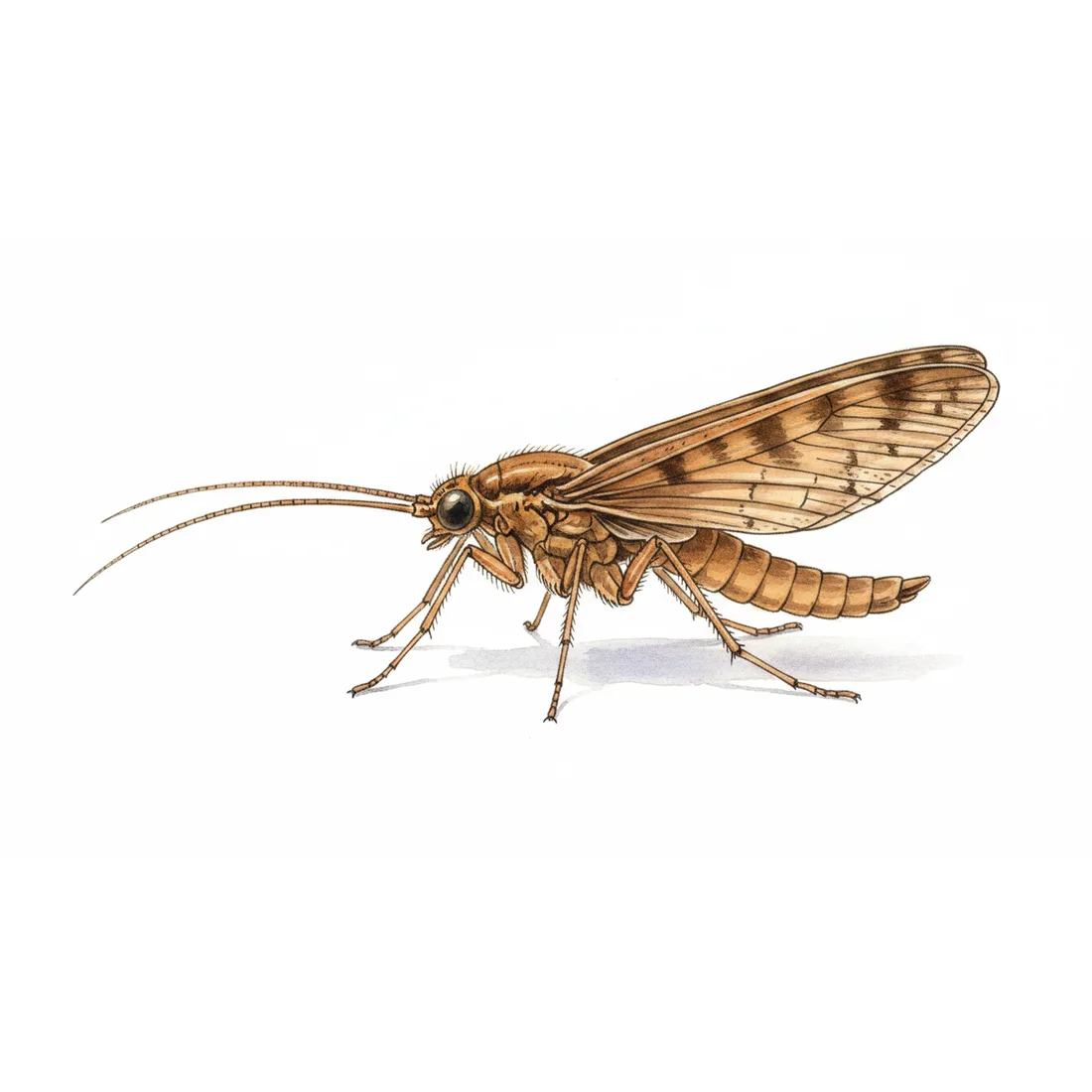
 Illustration· After a photo by Fischer1961 (CC BY SA 4.0)
Sedges & caddis
What it is
Caddis (Trichoptera) run egg through larva, pupa and winged adult. The pupal ascent is flagged by riverfly and stillwater literature as the single most productive angling window, since the pupa is trapped in or just under the film and highly visible to a fish.
Life cycle
Egg
Laid on or near the water by the winged adult.
Larva
Lasts weeks to most of a year, either cased (a silk-and-debris tube the larva carries and lives in) or caseless and free-living, e.g. Rhyacophila.
Pupa
Lasts 2–5 weeks, then rises to the surface — trapped in or just under the film, and the single most productive window for anglers.
Adult
Winged, flies to bankside vegetation; the Murrough's evening dapping tradition targets this stage.
In Ireland
The Murrough (Great Red Sedge, Phryganea grandis) is the largest caddis in the British Isles and hatches on summer evenings. It is famous as a dapping fly on the Galway/Mayo loughs, fished with a skittering twitch to leave a wake — a specifically western-Irish angling practice, not just a generic sedge hatch.
Flies that imitate this
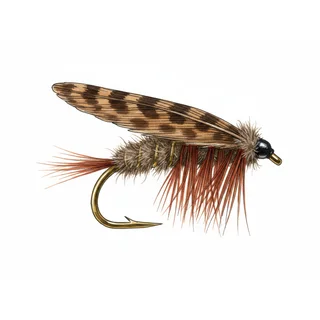
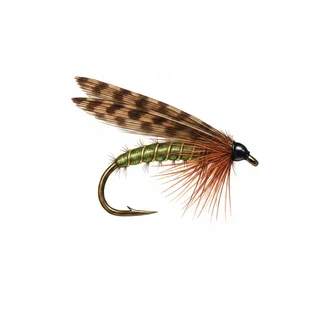
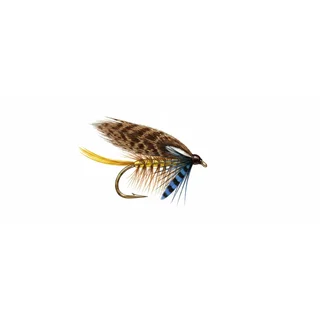
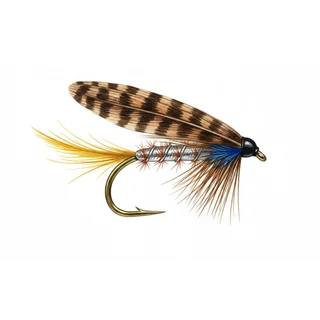
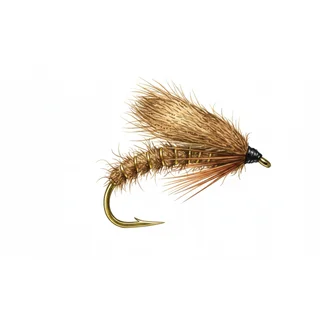
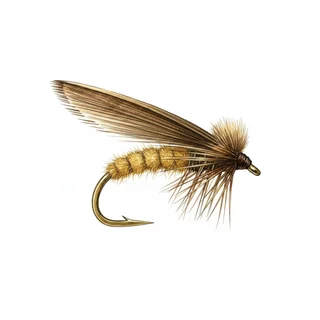
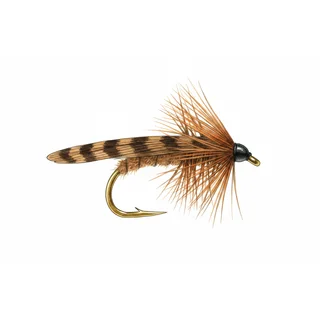
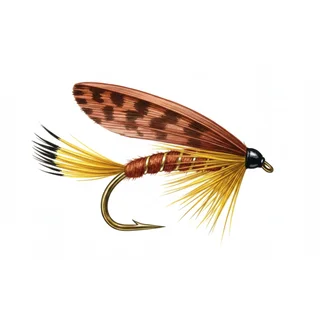
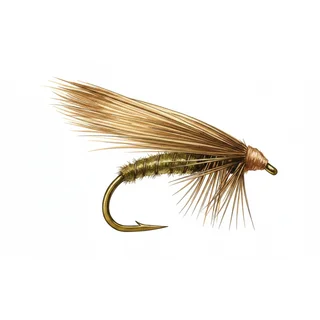
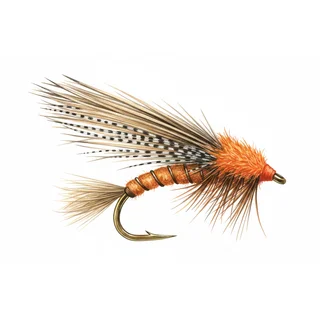
Where it matters
Sources & how we know this (4)
- Caddis life-cycle stage durations (egg/larva/pupa/adult)
wiflyfisher.com, Caddisfly Life Cycle · 2026-07-09 - Cased vs caseless caddis larvae
lifeinfreshwater.net, Caddisfly larvae · 2026-07-09 - Caddis pupal ascent as key angling window
Riverfly Partnership, Trichoptera · 2026-07-09 - Murrough/Great Red Sedge size, evening hatch, dapping tradition
fishinginireland.info, Lough Sheelin's female Murrough · 2026-07-09
Reference compiled from cited sources — Alex's review pass to come.