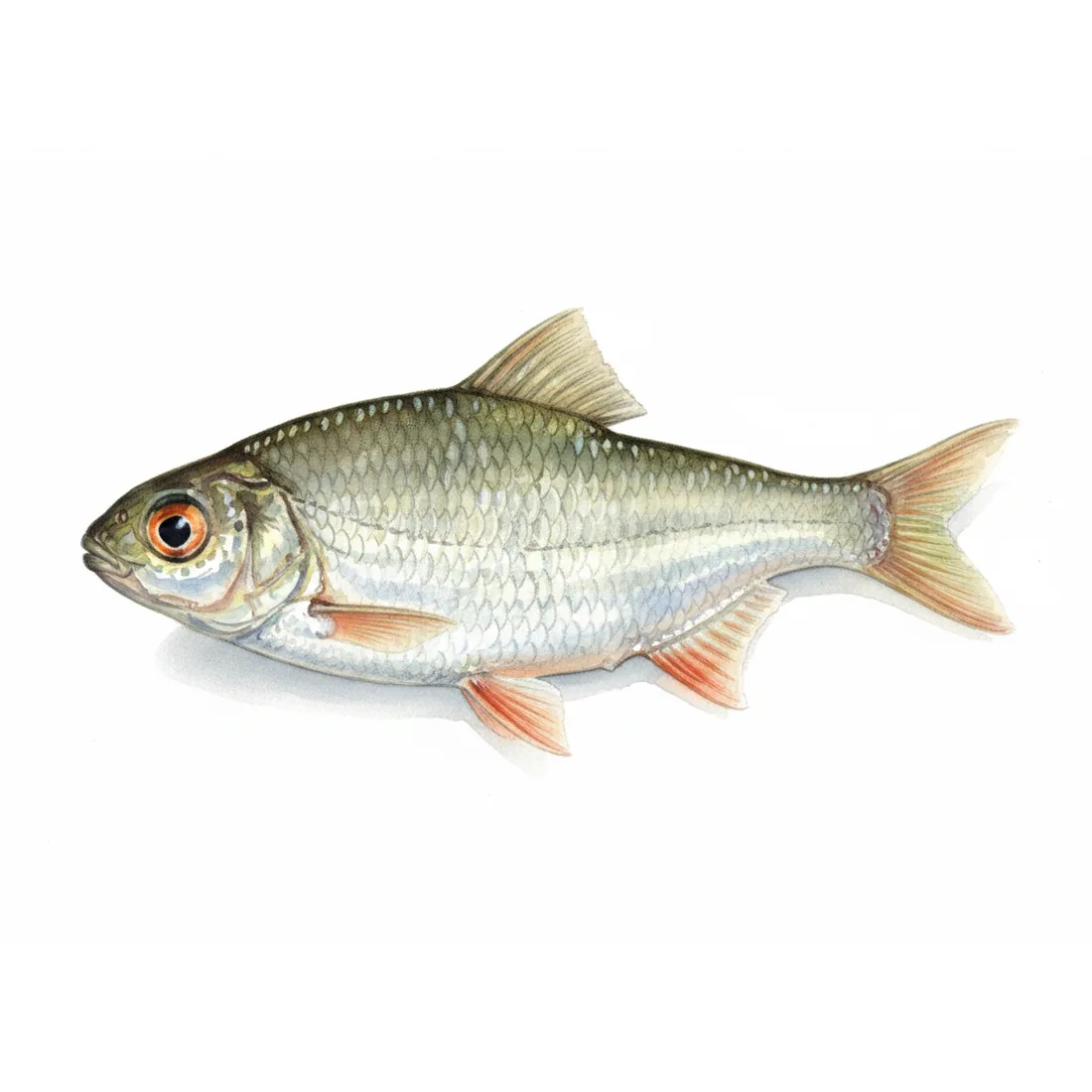
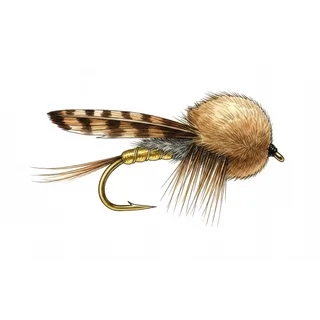
 Illustration· After a photo by B. Schoenmakers (CC BY 3.0)
Fry & small fish
What it is
From late summer into autumn, and again in spring, trout — especially larger fish — switch onto small fish: coarse fry (roach, perch, rudd on the bigger loughs), minnows, sticklebacks, and trout or salmon parr/fry themselves. This is a genuinely different tactical mode, hunting rather than sipping. The catalogue's answer spans both ends of the imitative-to-attractor spectrum: dedicated fry-pattern flies and traditional flash-tagged patterns sit closer to imitative, while the bigger lure-family flies pulled deep and slow for the same fry-feeding trout shade into pure attractor territory the larger and flashier they get.
Life cycle
Coarse & baitfish fry
Roach, perch, rudd, minnows and sticklebacks on the bigger loughs, shoaling near margins and structure.
Salmonid fry & parr
Young trout and salmon themselves, also taken as food by larger predatory trout.
In Ireland
This forage group underpins ferox trout biology: ferox are active, piscivorous predators that switch onto Arctic char (their preferred prey where char are present, as at Lough Melvin) or roach once they exceed roughly 30cm — genuinely Irish, genuinely biological context behind the "big lure, deep water, cold months" ferox tactic.
Flies that imitate this
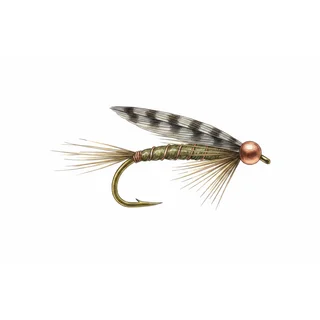
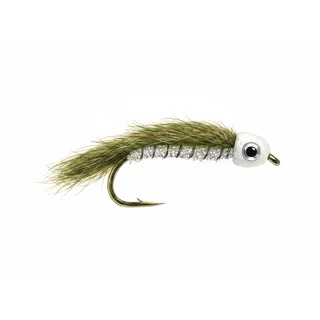
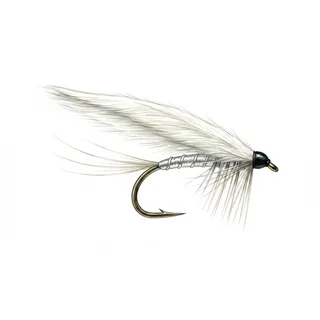
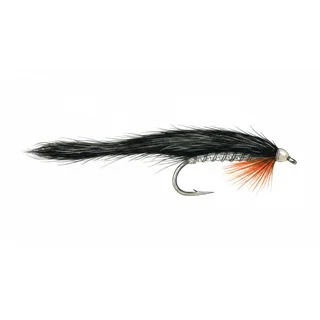
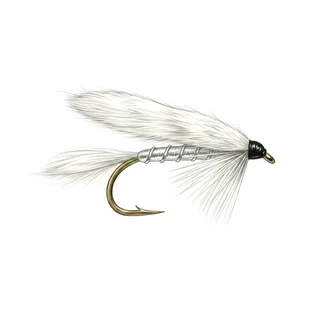
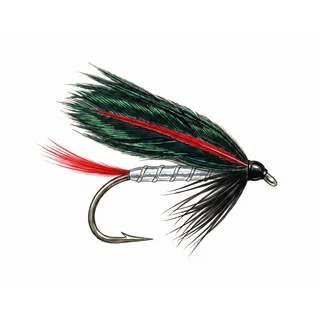
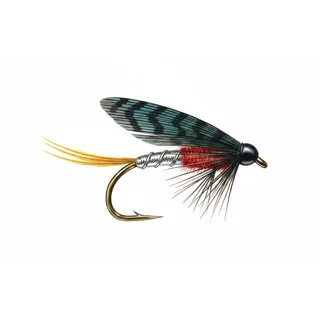
Where it matters
Sources & how we know this (2)
- Autumn fry-feeding behaviour, fry species by water size
Fulling Mill, 5 Top Tips for Fishing Fry Patterns · 2026-07-09 - Ferox trout piscivory, char/roach prey switching, ~30cm ontogenetic shift
Inland Fisheries Ireland, Ferox trout (Salmo ferox) · 2026-07-09
Reference compiled from cited sources — Alex's review pass to come.